
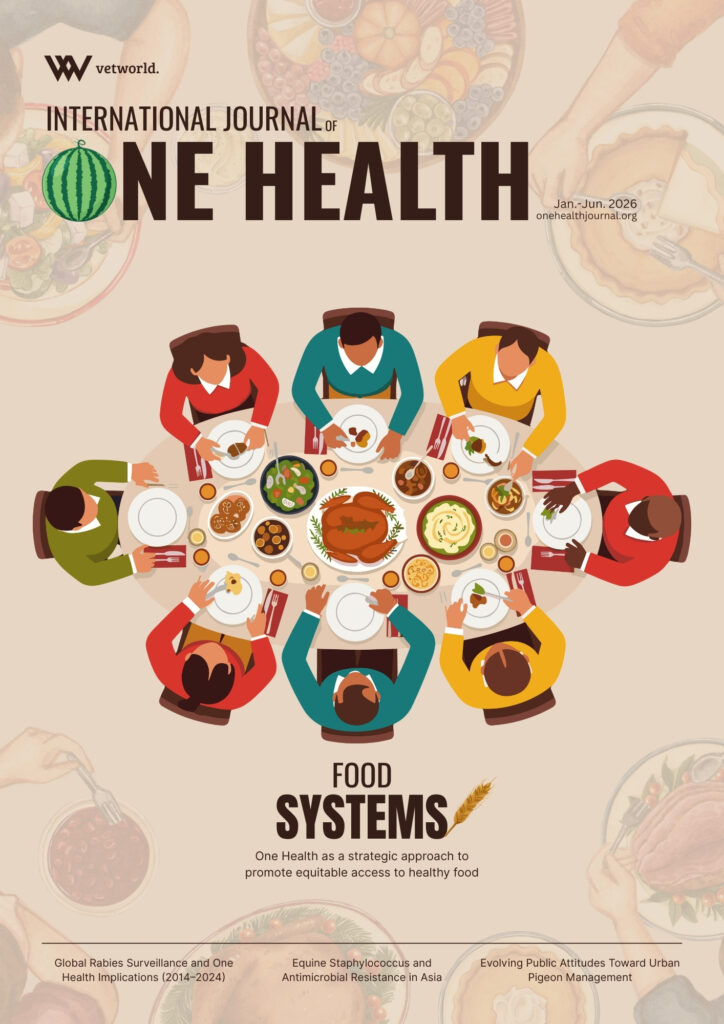
Genesis Research Consultancy Limited (GRCL) provided comprehensive research article writing, statistical analysis, English editing, scientific copyediting, article revision, and publication support for a multidisciplinary research study on food safety among poultry vendors in traditional markets in Mymensingh, Bangladesh.
The supported research article, titled “Knowledge, attitudes, and practices of poultry vendors toward food safety in traditional markets in Mymensingh, Bangladesh: Implications for One Health and public health interventions,” examines an important intersection of food safety, poultry production, zoonotic disease prevention, antimicrobial resistance, occupational hygiene, and public health.
Project Information
Consultancy Type: Research Article Writing, Statistical Analysis, English Editing, Copyediting, Article Revision and Publication Support
Research Article Title: Knowledge, attitudes, and practices of poultry vendors toward food safety in traditional markets in Mymensingh, Bangladesh: Implications for One Health and public health interventions
Journal: International Journal of One Health
Quartile: Q2
Publisher: Veterinary World (Vetworld)
Publication Year: 2026
Volume: 12
Issue: 1
Pages: 85–105
DOI: 10.14202/IJOH.2026.85-105
Client: MRI
Research Area: Food Safety, One Health, Poultry Health, Public Health, Zoonotic Diseases, Antimicrobial Resistance
Study Location: Mymensingh, Bangladesh
Project Background
Food safety is a major public health concern, particularly within traditional poultry markets where poultry handling, processing, selling, waste disposal, personal hygiene, and market infrastructure can directly influence the safety of food products.
Poultry vendors occupy an important position in the farm-to-plate food chain. Their knowledge and behavior can influence the risk of contamination and transmission of foodborne and zoonotic pathogens. The published study specifically investigated food safety-related knowledge, attitudes, and practices (KAP) among poultry vendors in traditional markets in Mymensingh district.
The study was particularly relevant because it approached food safety through a One Health framework, connecting human health, animal health, and environmental health.
This multidisciplinary perspective made the research relevant to researchers and professionals working in:
- Food safety
- Veterinary medicine
- Public health
- Poultry science
- Microbiology
- Epidemiology
- Zoonotic disease prevention
- Antimicrobial resistance
- Environmental health
- One Health policy
- Food hygiene and market regulation
GRCL’s consultancy focused on strengthening the research manuscript from both scientific and publication perspectives, ensuring that the study findings were appropriately analyzed, clearly interpreted, professionally written, and prepared for submission and publication.
Scope of GRCL’s Research Consultancy
The project involved several interconnected research and publication services.
Services Provided
1. Research Article Writing
Development and refinement of the scientific manuscript based on the research data and study objectives.
2. Statistical Analysis
Analysis and interpretation of survey data using appropriate statistical methods.
3. English Language Editing
Comprehensive correction and improvement of grammar, academic language, sentence structure, clarity, and readability.
4. Scientific Copyediting
Detailed editing of terminology, consistency, numerical presentation, tables, statistical reporting, references, and scientific expression.
5. Article Revision Service
Revision and restructuring of the manuscript to strengthen its scientific argument, presentation, coherence, and publication readiness.
6. Publication Support
Support throughout the manuscript preparation and publication process, including journal-oriented formatting, revision, and final manuscript preparation.
1. Research Article Writing Support
One of the principal components of the consultancy was research article writing support. A research article must communicate more than the results of a study. It must establish a clear connection between the research problem, knowledge gap, objectives, methodology, statistical analysis, findings, interpretation, and practical implications.
GRCL supported the organization and refinement of the manuscript around these key scientific components. The article was developed around a conventional research structure comprising:
- Introduction
- Research rationale
- Study objectives
- Materials and Methods
- Statistical Analysis
- Results
- Discussion
- Conclusion
- Public health implications
- One Health implications
- References
The writing process focused on maintaining a clear scientific narrative throughout the manuscript.
The research question was connected to the identified food safety problem, while the statistical analysis was linked to the study objectives and the discussion was developed around the evidence generated from the survey.
This approach helped ensure that the manuscript presented a coherent progression from research problem → methodology → statistical evidence → interpretation → intervention implications.
2. Statistical Analysis and Interpretation
A major component of the project was statistical analysis of the poultry vendor survey data. The published study used a cross-sectional survey involving 410 poultry vendors from five upazilas in Mymensingh district, with data collected between July 2020 and June 2021. Stratified random sampling was used to represent different market types and vendor sizes. The research instrument assessed several dimensions of food safety, including:
- Food hygiene
- Food safety knowledge
- Attitudes toward food safety
- Hygienic practices
- Zoonotic disease transmission
- Antimicrobial resistance
- Personal protective measures
- Waste management
- Sociodemographic characteristics
- Market-related factors
The questionnaire was subjected to reliability and validity assessment through expert review, Cronbach’s alpha, and test–retest analysis.
The statistical analysis was performed using R software and included:
- Descriptive statistics
- Chi-square tests
- Multivariable logistic regression
- Statistical significance testing
The study used p < 0.05 as the statistical significance threshold.
GRCL’s statistical consultancy focused on ensuring that statistical findings were appropriately interpreted and communicated within the scientific manuscript.
3. Knowledge, Attitudes and Practices Assessment
The central analytical framework of the study was the Knowledge, Attitudes and Practices (KAP) model.
This framework provided a structured way to assess how poultry vendors understood food safety, how they perceived their responsibilities and risks, and how they reported implementing hygienic practices.
Food Safety Knowledge
The study found that only 40.73% of poultry vendors demonstrated adequate food safety knowledge. Important knowledge gaps were identified in areas such as antimicrobial resistance, zoonotic disease transmission, and cross-contamination.
These findings demonstrate why food safety interventions cannot focus exclusively on general hygiene messages.
Food Safety Attitudes
Only 42.68% of vendors demonstrated a favorable attitude toward food safety. The findings suggest that improving knowledge alone may not necessarily result in appropriate food safety behavior. Effective intervention strategies must also address attitudes, motivation, perceived risks, and practical barriers.
Hygienic Practices
The study found that only 28.78% of vendors reported proper hygienic practices. This knowledge–practice gap is particularly important from a public health perspective because safe food handling depends on the consistent implementation of appropriate hygiene measures.
4. Multivariable Statistical Analysis
The statistical analysis went beyond simple descriptive percentages.
Multivariable logistic regression was used to investigate relationships between vendor characteristics and food safety outcomes.
The published findings showed that education level was significantly associated with knowledge and practice scores, while age and work experience were primarily associated with practices. The study also reported higher odds of poor hygiene practices among vendors handling multiple poultry types and those operating in poorly regulated markets.
These analyses provided a more informative understanding of the factors associated with food safety behavior.
From a research communication perspective, GRCL focused on presenting these statistical findings in a way that distinguished statistical association from causation and avoided overinterpretation.
This is particularly important for cross-sectional research, where observed relationships should be interpreted within the limitations of the study design.
5. English Language Editing for International Publication
Scientific findings must be communicated clearly for an international readership.
GRCL provided comprehensive English language editing to improve the manuscript’s academic style and readability.
The editing process addressed:
- Grammar
- Syntax
- Sentence construction
- Academic vocabulary
- Scientific terminology
- Verb tense
- Article usage
- Subject–verb agreement
- Paragraph structure
- Logical transitions
- Redundancy
- Clarity
- Conciseness
- Consistency
The objective was to make the manuscript professionally readable while preserving the authors’ scientific meaning and research interpretation.
The editing also helped ensure that technical concepts related to food safety, One Health, zoonotic diseases, antimicrobial resistance, and poultry hygiene were expressed consistently throughout the manuscript.
6. Scientific Copyediting Service
In addition to language editing, GRCL provided scientific copyediting.
Scientific copyediting requires more than correcting grammar. It involves reviewing the manuscript for internal consistency and ensuring that scientific information is presented accurately and logically.
The copyediting process focused on consistency between:
- Research objectives and results
- Statistical methods and statistical findings
- Tables and text
- Results and discussion
- Discussion and conclusions
- Abbreviations and full terms
- Statistical terminology
- Numerical values
- Percentages
- p-values
- Citations
- References
- Scientific terminology
This helped strengthen the overall quality and consistency of the manuscript.
7. Article Revision Service
GRCL also provided article revision support to improve the manuscript before publication. Research article revision can involve substantial restructuring when the manuscript needs stronger scientific logic or clearer interpretation.
The revision process focused on:
- Improving the research rationale
- Strengthening the introduction
- Clarifying the research objectives
- Improving methodological descriptions
- Refining statistical reporting
- Strengthening results presentation
- Connecting findings with previous research
- Improving the discussion
- Clarifying public health implications
- Refining the conclusion
- Improving overall manuscript coherence
The purpose was to ensure that the manuscript communicated its scientific contribution clearly and efficiently.
8. One Health Perspective
The One Health dimension is a central strength of this research. Food safety in poultry markets cannot be viewed exclusively as a human health issue. Poultry production and marketing involve interconnected systems involving:
Animals → Vendors → Food → Consumers → Environment
Potential risks can therefore move across multiple interfaces.
The study considered issues including:
- Foodborne pathogens
- Zoonotic disease transmission
- Antimicrobial resistance
- Poultry handling
- Personal hygiene
- Waste management
- Market infrastructure
- Food safety regulation
The article concluded that improving food safety requires coordinated intervention involving veterinary, public health, and environmental authorities. This makes the study particularly relevant to the broader field of One Health research and policy development.
9. Food Safety and Zoonotic Disease Implications
The research identified important gaps in vendor knowledge concerning zoonotic disease transmission. The study also found that none of the surveyed vendors had received formal training related to food safety or zoonoses. Personal protective equipment use was reported to be very low, while many markets lacked appropriate drainage and waste disposal systems.
These findings demonstrate that food safety behavior can be influenced by both individual knowledge and the surrounding physical and regulatory environment. Consequently, interventions need to combine:
- Vendor education
- Practical training
- Market inspections
- Infrastructure improvement
- Waste management
- Hygiene monitoring
- Personal protective measures
- Zoonotic disease awareness
- Regulatory enforcement
10. Antimicrobial Resistance and Food Safety
Antimicrobial resistance (AMR) is another important component of the study. The research identified knowledge gaps among poultry vendors regarding antimicrobial resistance. This is significant because antimicrobial resistance represents a complex One Health challenge involving humans, animals, microorganisms, food systems, and the environment.
The manuscript therefore positioned food safety within a broader public health context rather than treating hygiene practices as an isolated issue. This multidisciplinary framing strengthened the relevance of the research to contemporary One Health research.
11. Public Health Intervention Recommendations
A valuable research article should not simply identify a problem; it should help explain how the evidence can inform future action.
Based on the study findings, the article highlighted several intervention priorities, including:
Mandatory Vendor Training
Structured food safety and zoonosis training could help address identified knowledge gaps.
Regular Market Inspection
Routine monitoring could help improve compliance with food safety requirements.
Improved Market Infrastructure
Better drainage, sanitation facilities, and waste management systems can help create an environment in which hygienic practices are practically achievable.
One Health Coordination
Veterinary, public health, and environmental authorities can collaborate to address food safety risks across sectors.
Antimicrobial Resistance Awareness
Training programs can incorporate responsible antimicrobial use and AMR awareness.
Personal Hygiene and Protective Measures
Improving awareness and practical implementation of personal protective measures can contribute to safer poultry handling.
The article’s conclusion emphasizes mandatory training, inspections, infrastructure improvements, and integrated One Health policies as important strategies for improving food safety in traditional poultry markets in Bangladesh.
12. Publication Support
GRCL provided publication-oriented support throughout the manuscript development process. Publication support involved ensuring that the manuscript was appropriately organized, edited, revised, and prepared for scholarly communication. The support included attention to:
- Manuscript structure
- Scientific presentation
- English language quality
- Statistical reporting
- Copyediting
- Article revision
- Reference consistency
- Journal-oriented presentation
- Final manuscript preparation
The objective was to help transform the research data and findings into a professionally presented scientific publication.
Publication Outcome
The research article was published in the International Journal of One Health, Volume 12, Issue 1, pages 85–105, on 18 April 2026. The official journal record identifies it as Article No. 7 and provides the DOI 10.14202/IJOH.2026.85-105.
The journal’s Volume 12, Issue 1 contents independently list the article on pages 85–105.
Published Article
Knowledge, attitudes, and practices of poultry vendors toward food safety in traditional markets in Mymensingh, Bangladesh: Implications for One Health and public health interventions
International Journal of One Health, 2026; 12(1): 85–105
DOI: 10.14202/IJOH.2026.85-105
View the published article in the International Journal of One Health
Key Research Findings
The study generated several important findings relevant to food safety and One Health research.
- 410 poultry vendors were surveyed across five upazilas of Mymensingh district.
- Only 40.73% demonstrated adequate food safety knowledge.
- 42.68% demonstrated a favorable attitude toward food safety.
- Only 28.78% reported proper hygienic practices.
- None of the vendors had received formal food safety or zoonosis training.
- Important knowledge gaps existed concerning antimicrobial resistance, zoonotic diseases, and cross-contamination.
- Personal protective equipment use was very low.
- Many markets lacked adequate drainage and waste disposal systems.
- Education level was significantly associated with knowledge and practice scores.
- Age and work experience were associated mainly with practice-related outcomes.
- Vendors handling multiple poultry types and those operating in poorly regulated markets had higher odds of poor hygiene practices.
Together, these findings demonstrate that improving food safety requires more than increasing awareness. Effective interventions must address knowledge, attitudes, behavior, infrastructure, regulation, training, and cross-sector collaboration.
Scientific and Practical Significance
The publication contributes to the growing body of research examining food safety through a One Health perspective.
Its significance extends across several research areas.
Food Safety Research
The study provides evidence regarding food safety behavior among poultry vendors in traditional markets.
One Health Research
The study connects food safety with human, animal, and environmental health.
Public Health
The findings identify practical areas for intervention to reduce food safety risks.
Veterinary Public Health
The research highlights the role of poultry vendors and market systems in preventing zoonotic disease transmission.
Antimicrobial Resistance
The study identifies AMR awareness as an important component of food safety education.
Policy and Regulation
The findings support stronger inspection, training, infrastructure, and regulatory mechanisms.
GRCL’s Integrated Research Support Model
This project illustrates GRCL’s approach to providing integrated research consultancy rather than treating each publication task as an isolated service. The workflow can be represented as:
Research Data
↓
Statistical Analysis
↓
Statistical Interpretation
↓
Research Article Writing
↓
English Language Editing
↓
Scientific Copyediting
↓
Article Revision
↓
Publication Preparation
↓
Peer-Reviewed Publication
This integrated approach helps maintain consistency between the original research, statistical findings, scientific interpretation, and final manuscript.
Why Research Article Writing and Statistical Consultancy Matter
Publication-quality research requires both scientific rigor and effective communication.
A strong dataset alone does not guarantee a strong manuscript. Researchers must also explain:
- Why the study was necessary
- What research gap was addressed
- How the study was conducted
- Why the selected statistical methods were appropriate
- What the results mean
- How the findings compare with existing evidence
- What limitations should be recognized
- What practical implications emerge from the research
GRCL’s consultancy approach addresses these interconnected components.
Our objective is to help researchers communicate their findings in a way that is scientifically accurate, logically structured, statistically appropriate, linguistically clear, and suitable for international scholarly publication.
Project Highlights at a Glance
| Project Component | Details |
|---|---|
| Consultancy Type | Research Article Writing, Statistical Analysis, English Editing, Copyediting, Article Revision, Publication Support |
| Research Topic | Poultry Vendor Food Safety and One Health |
| Study Area | Mymensingh, Bangladesh |
| Participants | 410 Poultry Vendors |
| Study Design | Cross-sectional Survey |
| Sampling | Stratified Random Sampling |
| Statistical Software | R |
| Statistical Methods | Descriptive Statistics, Chi-square Tests, Multivariable Logistic Regression |
| Main Framework | Knowledge, Attitudes and Practices (KAP) |
| Research Themes | Food Safety, One Health, Zoonoses, AMR, Public Health |
| Journal | International Journal of One Health |
| Publisher | Veterinary World |
| Year | 2026 |
| Volume/Issue | 12(1) |
| Pages | 85–105 |
| DOI | 10.14202/IJOH.2026.85-105 |
| Client | MRI |
Research Consultancy Portfolio
This project demonstrates GRCL’s expertise in providing professional support for research article writing, statistical analysis, manuscript editing, English editing, scientific copyediting, article revision, and publication support. Our research consultancy can support manuscripts in areas such as:
- Public health research
- Veterinary research
- One Health research
- Food safety research
- Epidemiological studies
- Cross-sectional surveys
- Knowledge, attitude and practice studies
- Agricultural research
- Animal science
- Microbiology
- Environmental health
- Medical and health sciences
- Multidisciplinary research
Our statistical consultancy can also support researchers with:
- Descriptive statistical analysis
- Inferential statistics
- Chi-square analysis
- Regression analysis
- Logistic regression
- Multivariable analysis
- Statistical interpretation
- Data presentation
- Tables and figures
- Statistical reporting
Our manuscript editing services include:
- English language editing
- Academic editing
- Scientific editing
- Copyediting
- Proofreading
- Manuscript restructuring
- Article revision
- Journal formatting
- Reference checking
- Publication preparation
The successful publication of “Knowledge, attitudes, and practices of poultry vendors toward food safety in traditional markets in Mymensingh, Bangladesh: Implications for One Health and public health interventions” demonstrates how comprehensive research consultancy can support the development of a multidisciplinary scientific publication.
GRCL provided support across multiple stages, including research article writing, statistical analysis, English language editing, scientific copyediting, article revision, and publication support.
The study provides important evidence that food safety challenges among poultry vendors extend beyond individual knowledge and behavior. The findings point toward the importance of vendor training, regulatory monitoring, improved market infrastructure, better hygiene practices, antimicrobial resistance awareness, and coordinated One Health interventions.
For GRCL, this project represents our commitment to helping researchers transform research data into clear, rigorous, statistically sound, professionally edited, and publication-ready scientific articles.
Need Research Article Writing, Statistical Analysis or Publication Support?
Genesis Research Consultancy Limited provides professional research consultancy and publication support for researchers, academics, students, institutions, NGOs, and organizations.
Our services include research article writing, statistical analysis, statistical interpretation, English editing, scientific copyediting, article revision, thesis support, plagiarism and similarity assessment, journal selection consultancy, manuscript formatting, and publication support.
If you are preparing a research article for an international peer-reviewed journal and need support with writing, statistics, editing, revision, or publication preparation, GRCL can provide an integrated research consultancy solution tailored to your project.
Explore Research Consultancy Services at Genesis Research Consultancy Limited